Yak-40
Large Jet
Un design distinctif.
Des performances
prodigieuses.
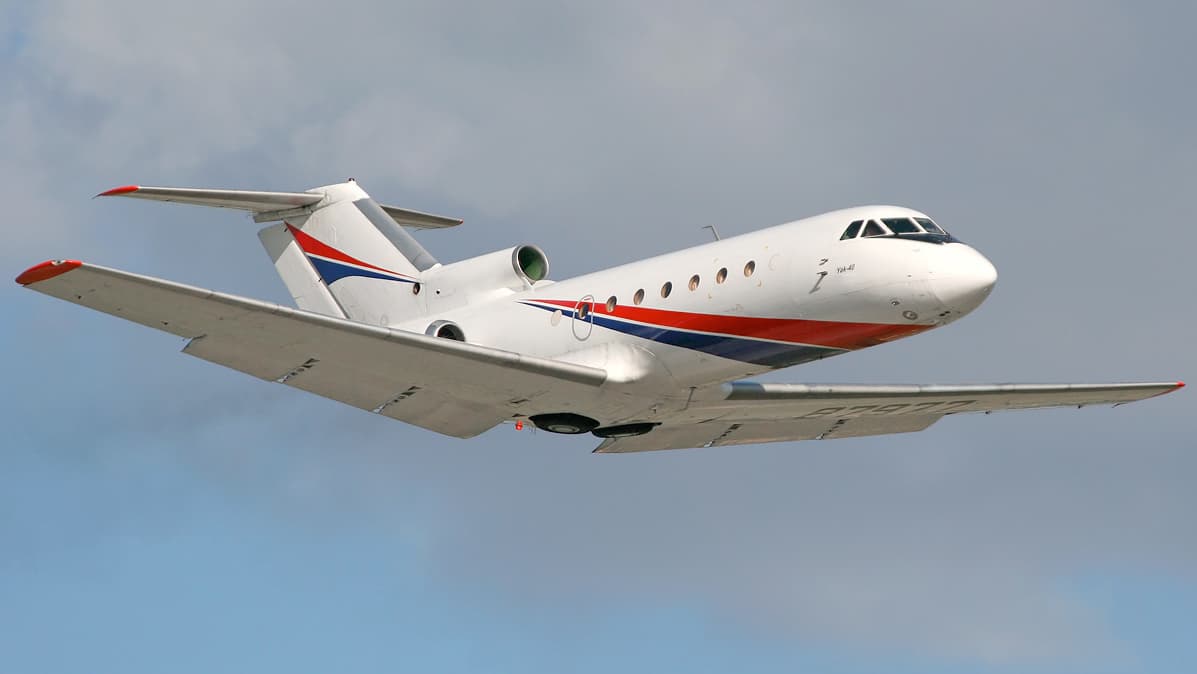
The Yak-40 was the first jet powered airliner in its class in service in large numbers anywhere in the world, preceding the ERJ-135 and 328JET by three decades.
Development
By the early 1960s, the Soviet state airline Aeroflot's international and internal trunk routes were flown by jet or turboprop powered airliners but their local services, many of which operated from grass airfields, were operated by obsolete piston engined aircraft such as the Ilyushin Il-12, Il-14 and Lisunov Li-2. Aeroflot wanted to replace these elderly airliners with a turbine-powered aircraft, with the Yakovlevdesign bureau being assigned to design the new airliner. High speed was not required, but it would have to operate safely and reliably out of poorly equipped airports with short (less than 700 m, (2,300 ft)) unpaved runways in poor weather.
Yakovlev studied both turboprop and jet-powered designs to meet the requirement, including Vertical Take-Off and Landing (VTOL) designs with lift jets in the fuselage or in wing-mounted pods, but eventually they settled on a straight-winged tri-jet carrying 20 to 25 passengers. Engines were to be the new AI-25 turbofan being developed by Ivchenko at Zaporozhye in Ukraine.
Design
The Yak-40 is a low-winged cantilever monoplane with unswept wings, a large T-tail and a retractable tricycle landing gear. The passenger cabin is ahead of the wing, with the short rear fuselage carrying the three turbofan engines, with two engines mounted on short pylons on the side of the fuselage and a third engine in the rear fuselage, with air fed from a dorsal air-intake by an "S-duct", as is an auxiliary power unit, fitted to allow engine start-up without ground support on primitive airfields. The three AI-25 engines are two-shaft engines rated at 14.7 kN (3,300 lbf). The engines have no jetpipes, and initially no thrust reversers.
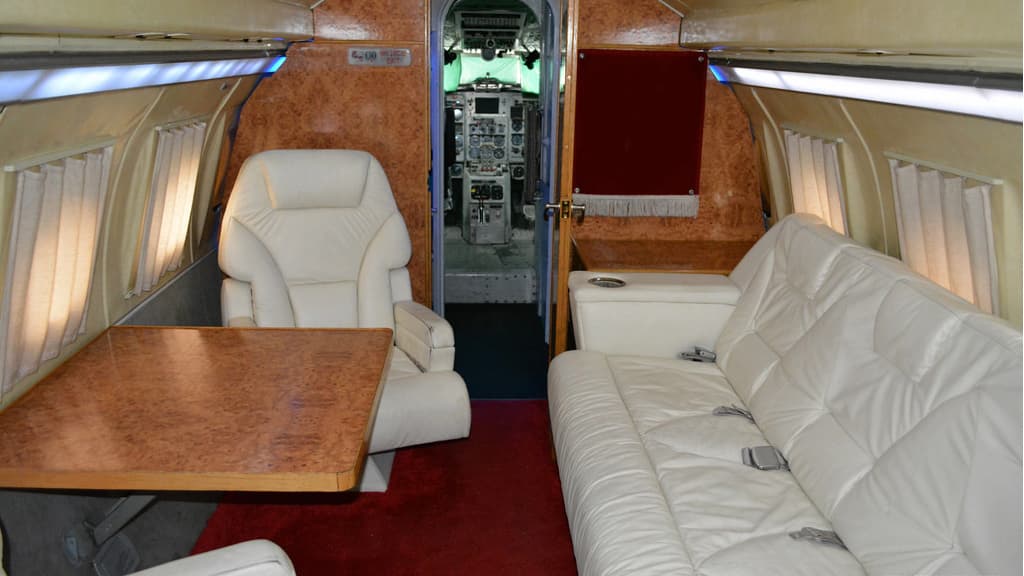
The pressurized fuselage has a diameter of 2.4 metres (94 in). Pilot and co-pilot sit side-by-side in the aircraft's flight deck, while the passenger cabin has a standard layout seating 24 to 27 passengers three-abreast, although 32 passengers can be carried by switching to four-abreast seating. Passengers enter the aircraft via a set of ventral airstairs in the rear fuselage.
The wing is fitted with large trailing-edge slotted flaps, but has no other high-lift devices, relying on the aircraft's low wing loading to give the required short-field take-off and landing performance. The wings join at the aircraft centerline, with the main spar running from wingtip to wingtip The wings house integral fuel tanks with a capacity of 3,800 litres (1,000 US gal; 840 imp gal). The aircraft has a large fin, which is swept back at an angle of 50 degrees to move the tailplane rearwards to compensate for the short rear fuselage. The horizontal tailplane itself is unswept.
Spécifications
Dimensions et configurations de la cabine
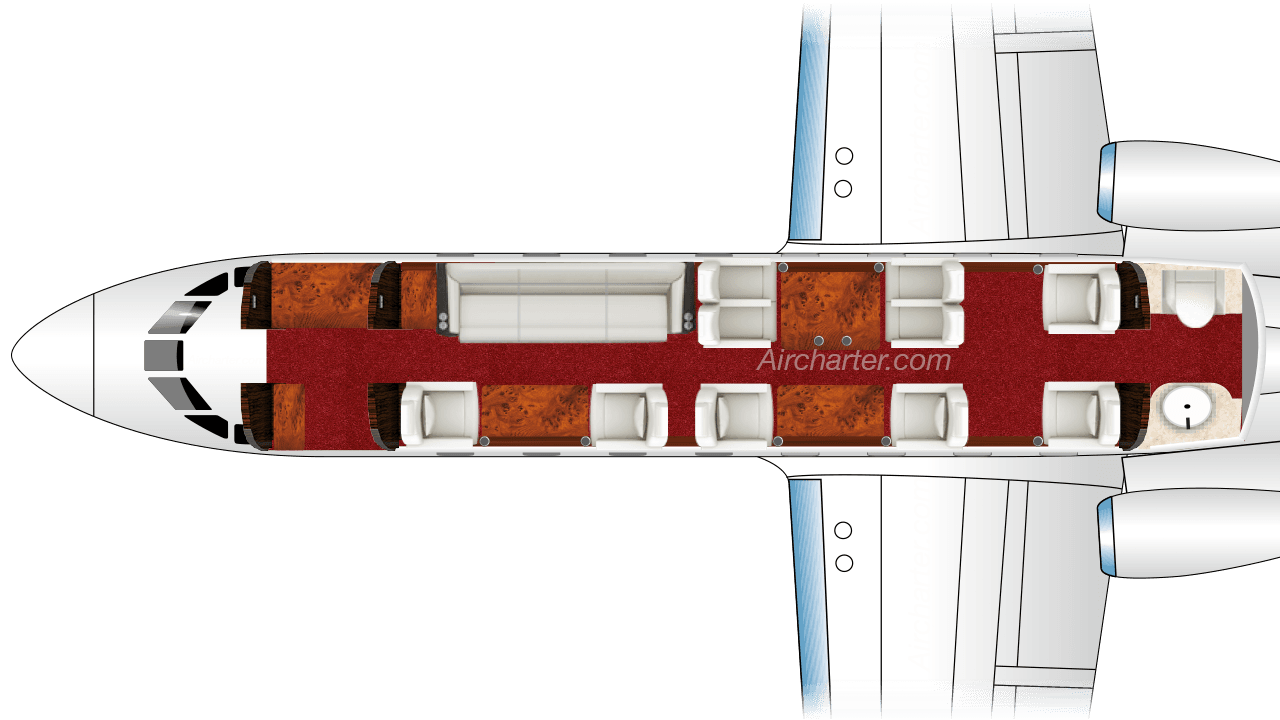
27' 6
Longueur
7' 0
Largeur
6' 0
Hauteur
Équipements de cabine
- Office Full
- Toilettes Full
- Sacs de golf (13)
- Sacs de ski (11)
Découvrir le Yak-40
Engagés pour un vol
Qui vous ressemble
Notre approche consultative vous guide vers l'affrètement de jet privé qui correspond le mieux à vos besoins. Cette philosophie adaptative constitue un pilier essentiel de la manière dont nous concevons des voyages inoubliables selon vos conditions et vos préférences.
Bénéficiez d'une véritable expertise aéronautique
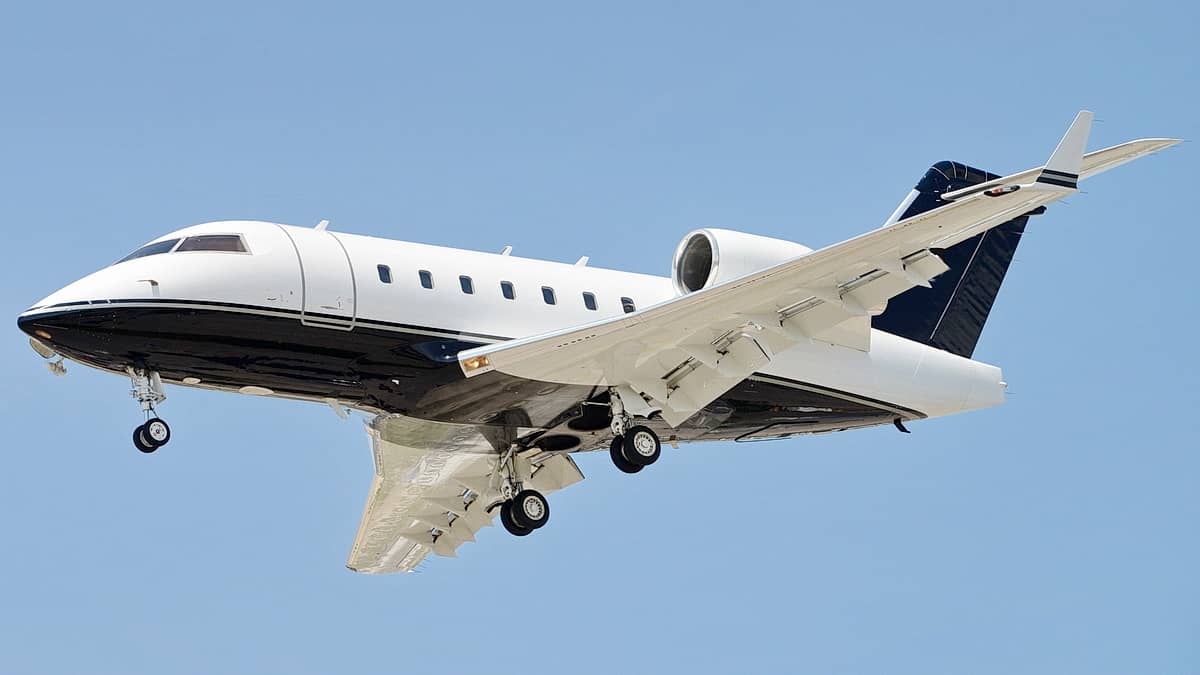
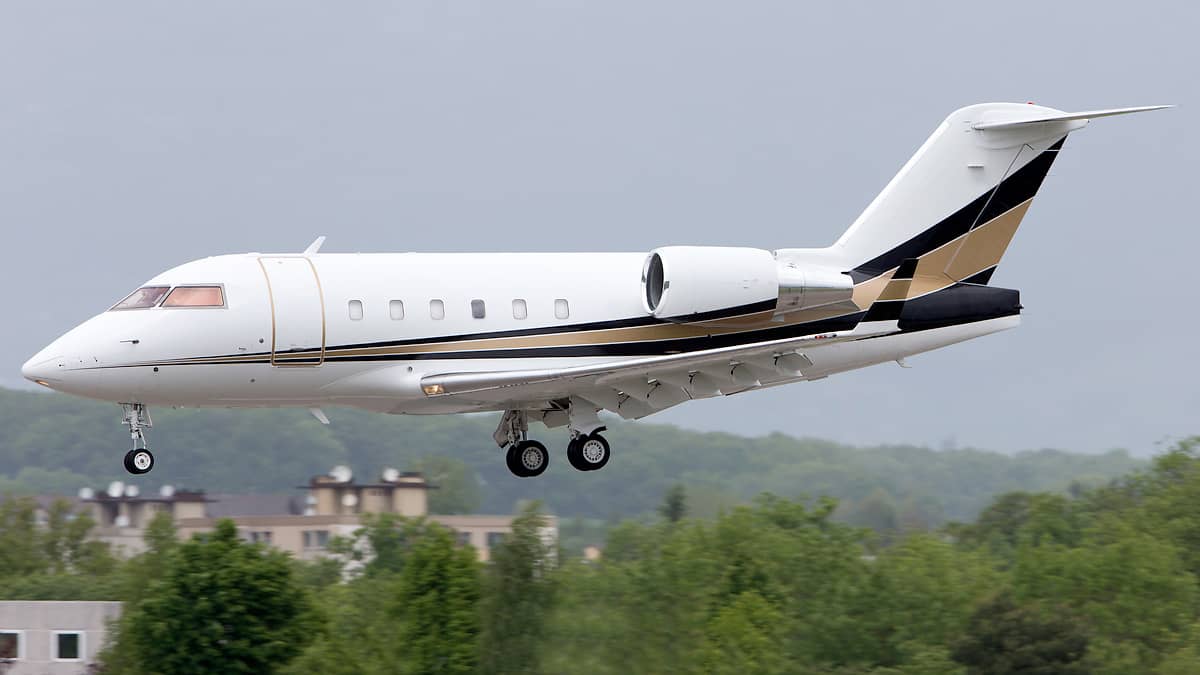
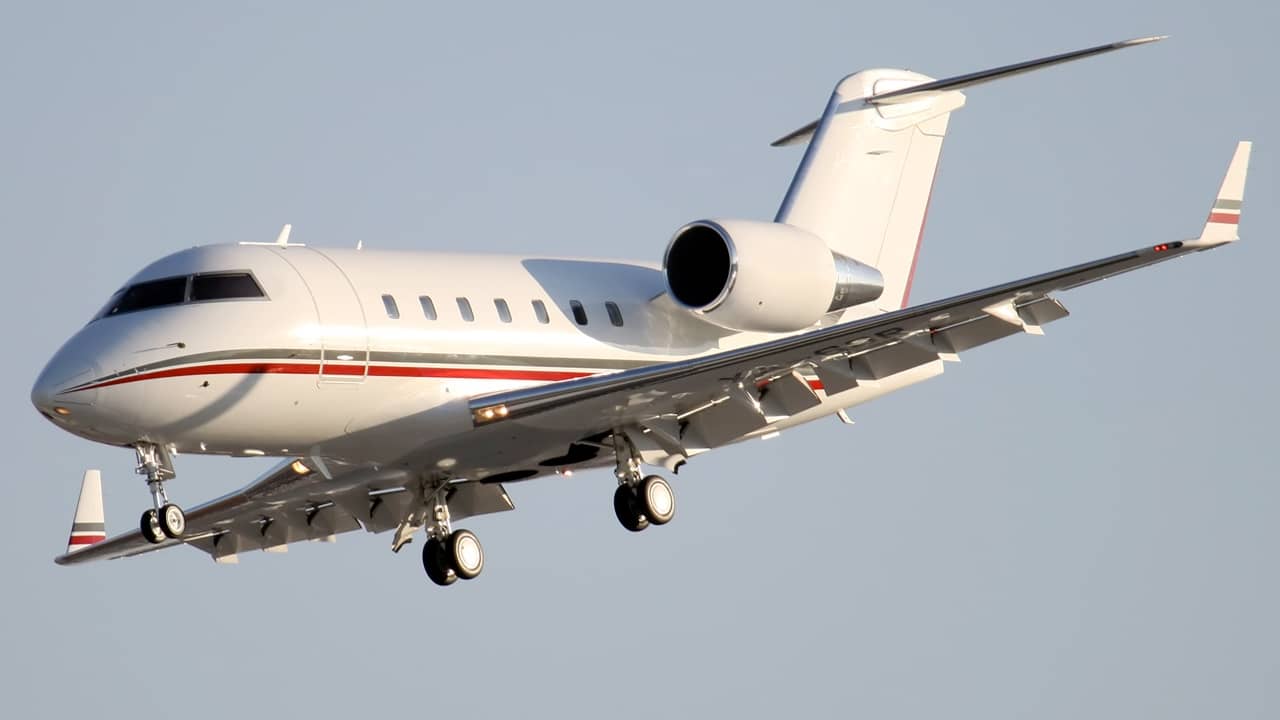
Yak-40
$7599/h