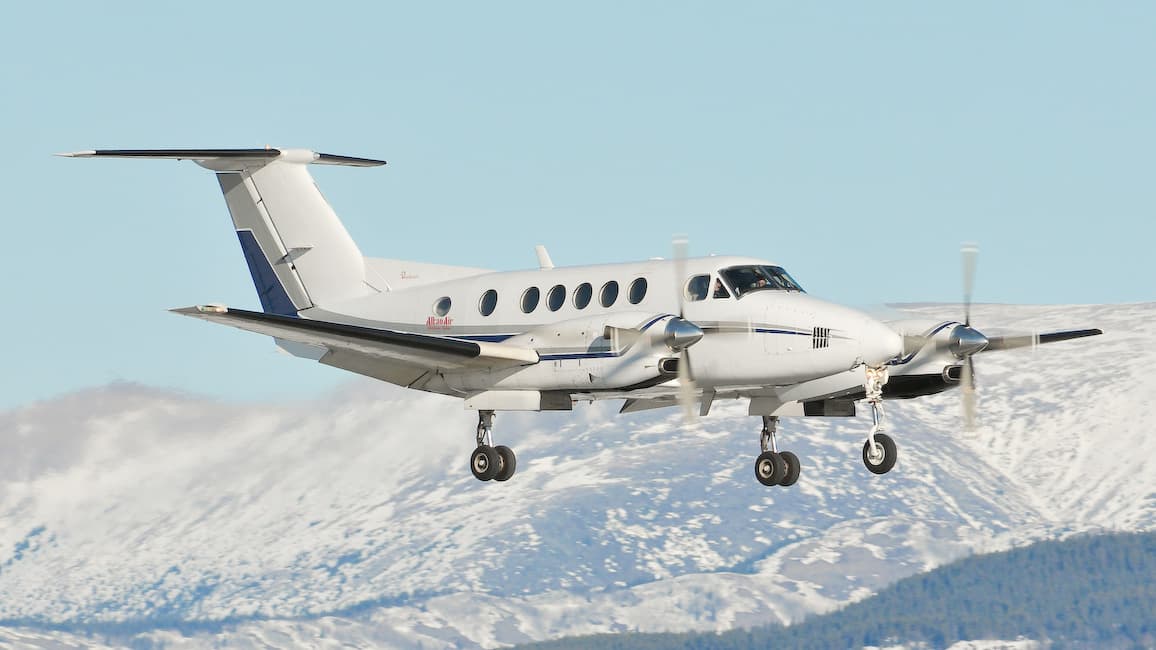
King Air 300
Turboprop
Un design distinctif.
Des performances
prodigieuses.
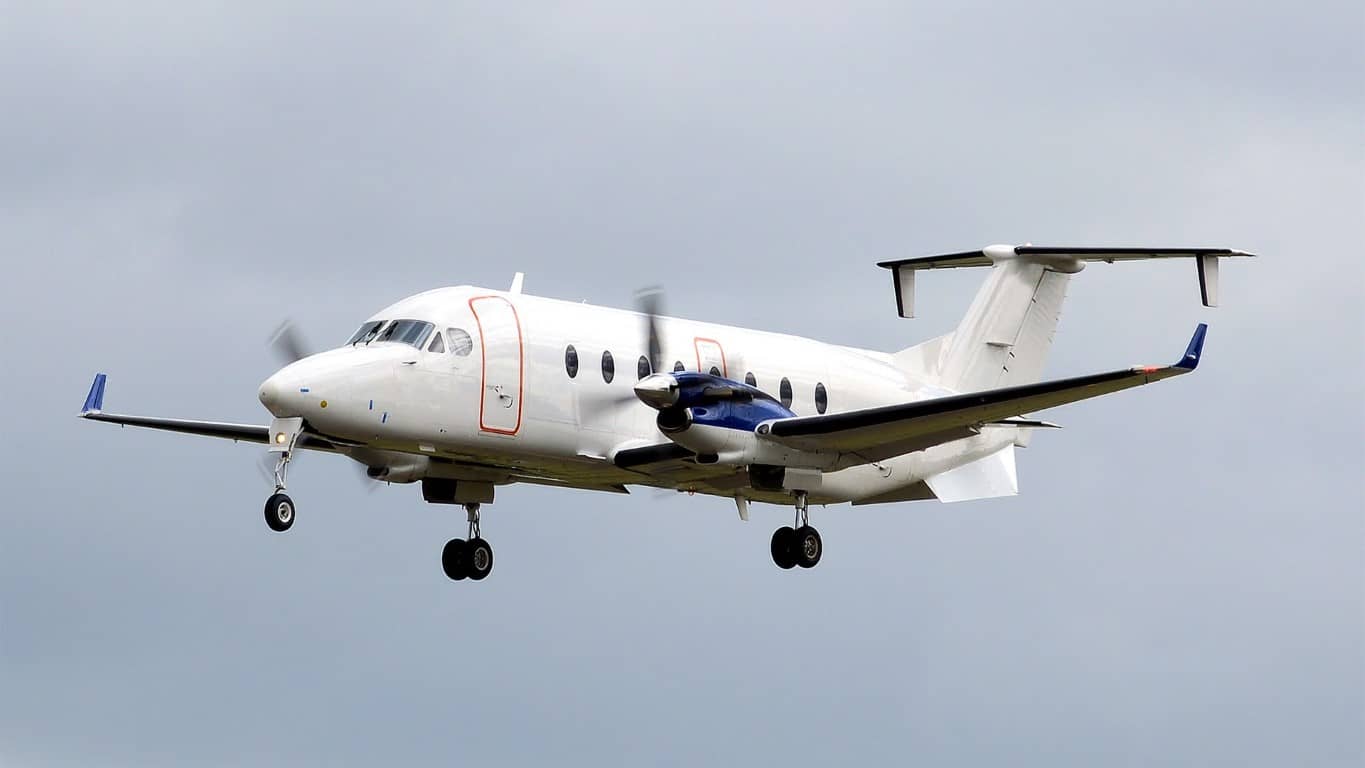
The King Air 300 is an updated version of the successful B200 series, and it itself was replaced by the further improved King Air 350, the latest model in this long running and successful line of corporate and utility transports.
Design of an improved development of the successful King Air B200 began in August 1981, the 14 month design effort culminating in the first flight of the modernised 300 model in October the following year. Improvements to the B200 were many, with the main change being the installation of more powerful PT6A60A turboprops in place of the 42s of the earlier model. Other changes included reprofiled and more aerodynamically clean engine cowls and exhausts and extended wing leading edges, plus minor internal changes. Both empty and max takeoff weights were also increased.
The max weight was reduced for the 300LW or `Light Weight', intended to minimise the effects of weight based airways user fees, particularly in Europe. The 300AT was an airline pilot trainer. The King Air 300 has been replaced by the 350, its major improvements being a stretched fuselage lengthened by 86cm (2ft 10in) and the addition of winglets. The latest member of the King Air family, it had its first flight in 1988, and has been in production since late 1989. The King Air 350C features a builtin airstair and a 132 x 132cm (52 x 52in) freight door. The 350 is also available in a range of special missions and military variants.
The `Super' prefix was dropped from the King Air name in 1996.
Se renseignerDesign of an improved development of the successful King Air B200 began in August 1981, the 14 month design effort culminating in the first flight of the modernised 300 model in October the following year. Improvements to the B200 were many, with the main change being the installation of more powerful PT6A60A turboprops in place of the 42s of the earlier model. Other changes included reprofiled and more aerodynamically clean engine cowls and exhausts and extended wing leading edges, plus minor internal changes. Both empty and max takeoff weights were also increased.
The max weight was reduced for the 300LW or `Light Weight', intended to minimise the effects of weight based airways user fees, particularly in Europe. The 300AT was an airline pilot trainer. The King Air 300 has been replaced by the 350, its major improvements being a stretched fuselage lengthened by 86cm (2ft 10in) and the addition of winglets. The latest member of the King Air family, it had its first flight in 1988, and has been in production since late 1989. The King Air 350C features a builtin airstair and a 132 x 132cm (52 x 52in) freight door. The 350 is also available in a range of special missions and military variants.
The `Super' prefix was dropped from the King Air name in 1996.
Spécifications
Capacité passagersJusqu'à 9 passagers
Endurance6 h 25 min
Rayon d'action maximal1,700 nm
Capacité de soute55 pi³
Vitesse265 nœuds
Altitude de croisière24,000 ft
Longueur de piste minimale3,300 ft
Longueur de l'avion43' 10
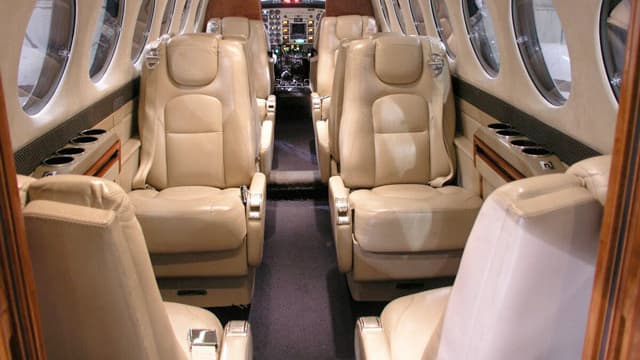
Dimensions et configurations de la cabine
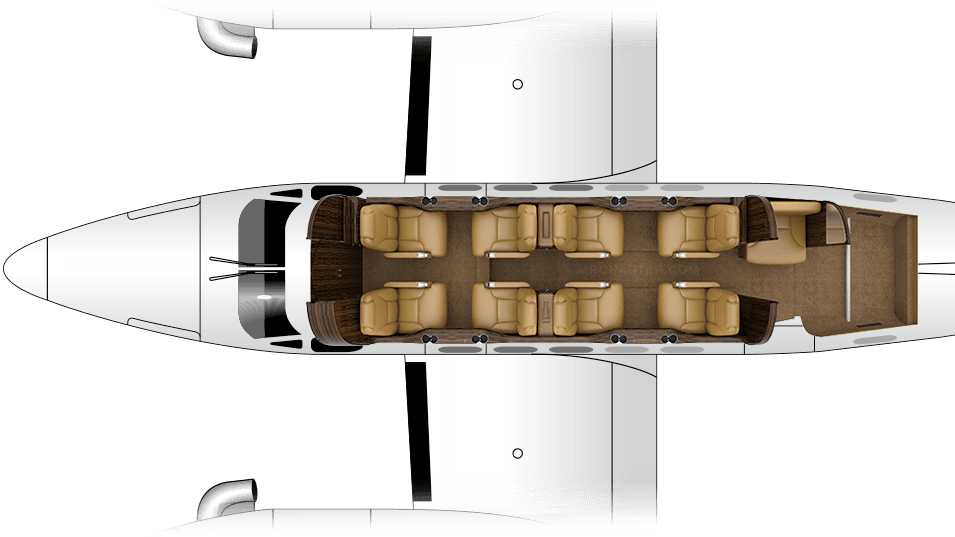
19' 6
Longueur
4' 6
Largeur
4' 9
Hauteur
Équipements de cabine
- Sacs de golf (3)
- Sacs de ski (3)
Découvrir le King Air 300
1 / 5
Engagés pour un vol
Qui vous ressemble
Notre approche consultative vous guide vers l'affrètement de jet privé qui correspond le mieux à vos besoins. Cette philosophie adaptative constitue un pilier essentiel de la manière dont nous concevons des voyages inoubliables selon vos conditions et vos préférences.
Bénéficiez d'une véritable expertise aéronautique
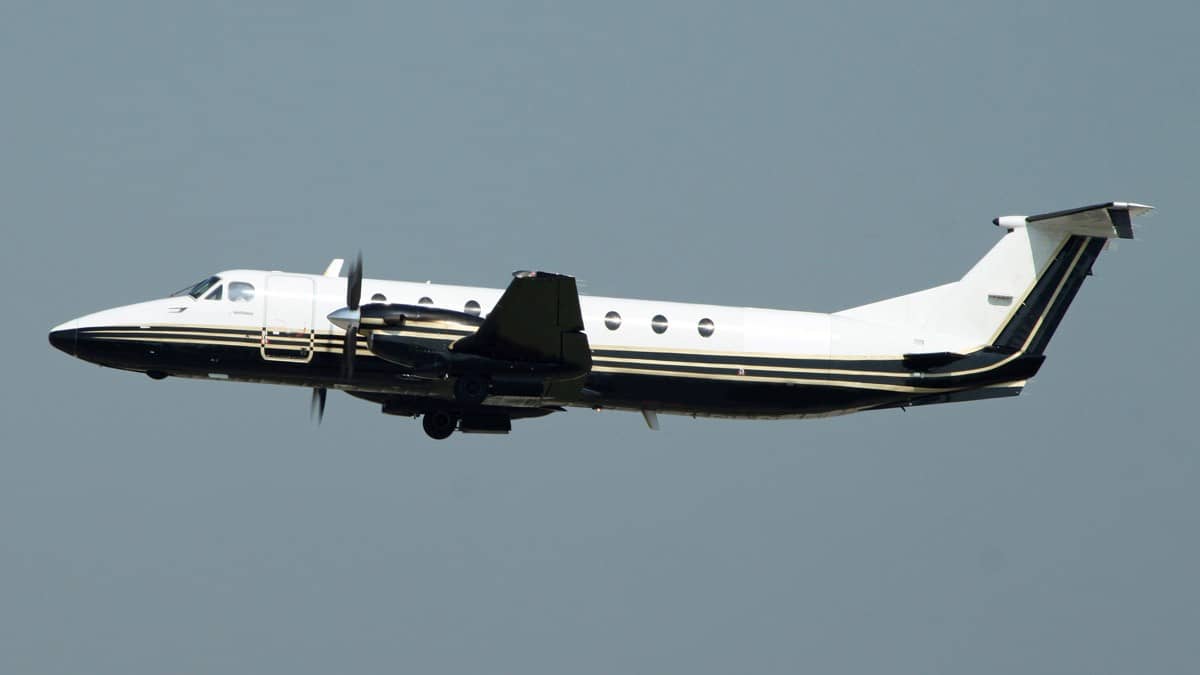
King Air 300
$2421 - $6408/h